

Astanga Yoga Studio Copenhagen
Eskil Schilling
Authorised Level 2 Ashtanga Yoga Teacher
Founder and teacher at Astanga Yoga Studio Copenhagen. Practising Ashtanga since 1999, teaching since 2006, and running a regular Mysore programme since 2009.

Ashtanga and teaching
Eskil has been a dedicated Ashtanga practitioner since 1999 and taught his first Ashtanga class in 2006. In 2009, he opened Astanga Yoga Studio in Copenhagen together with Robin Arnold and has run a regular Mysore programme there ever since.
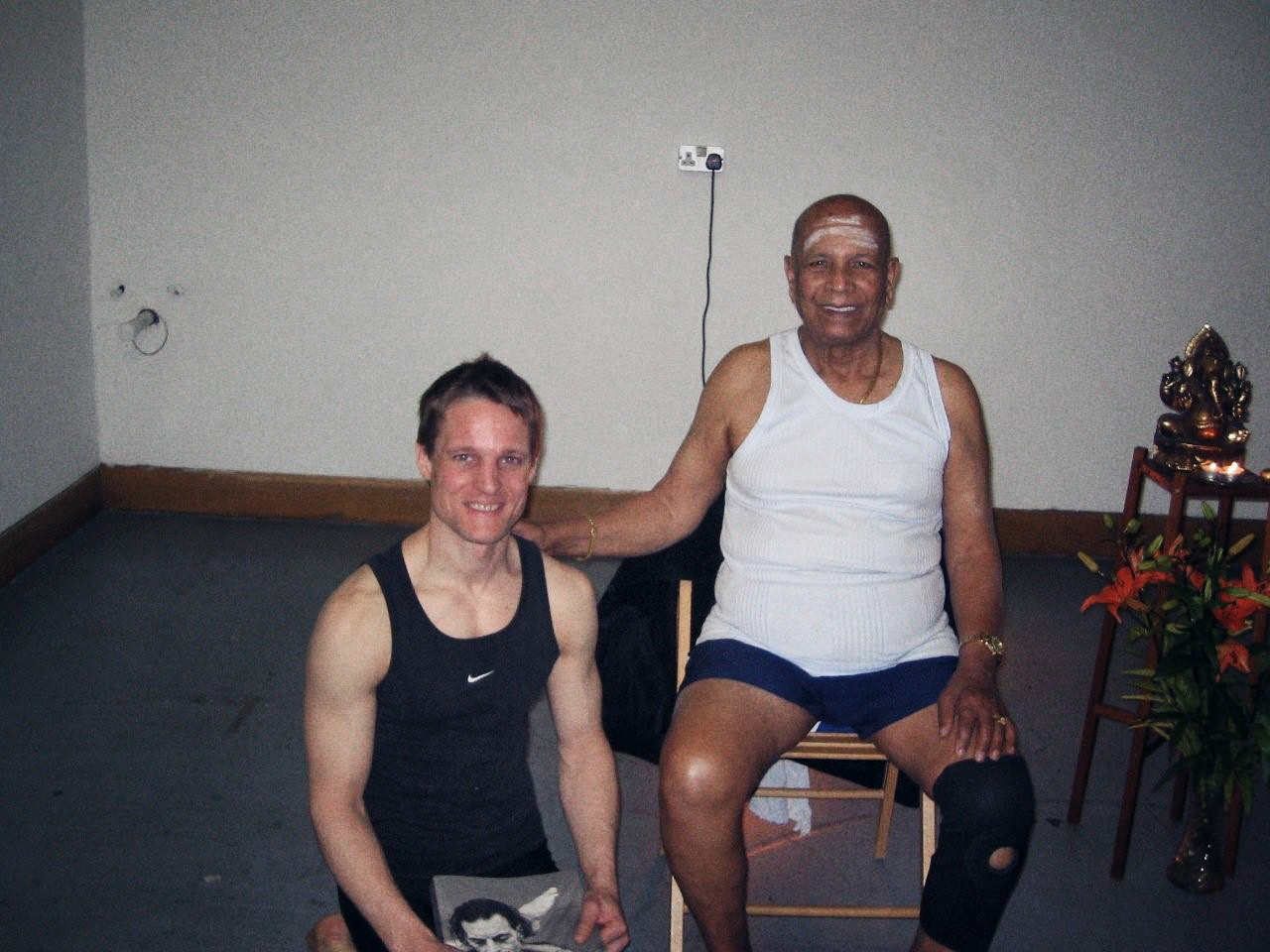
Since 2011, Eskil has travelled regularly to Mysore, India, for extended periods of practice and study, and is an Authorised Level 2 Ashtanga Yoga Teacher through the Sharath Yoga Centre, authorised by Paramaguru Sharath Jois. His teaching experience has developed through decades of personal practice and thousands of hours working with practitioners in the Mysore room, observing, guiding, assisting and following individual practices over time.
That experience is not simply accumulated time. It is accumulated learning. Some understanding comes from teachers and study, some from personal practice, and much of it develops through working with real people: trying, observing the results, making mistakes, learning from them and gradually refining the way one teaches.
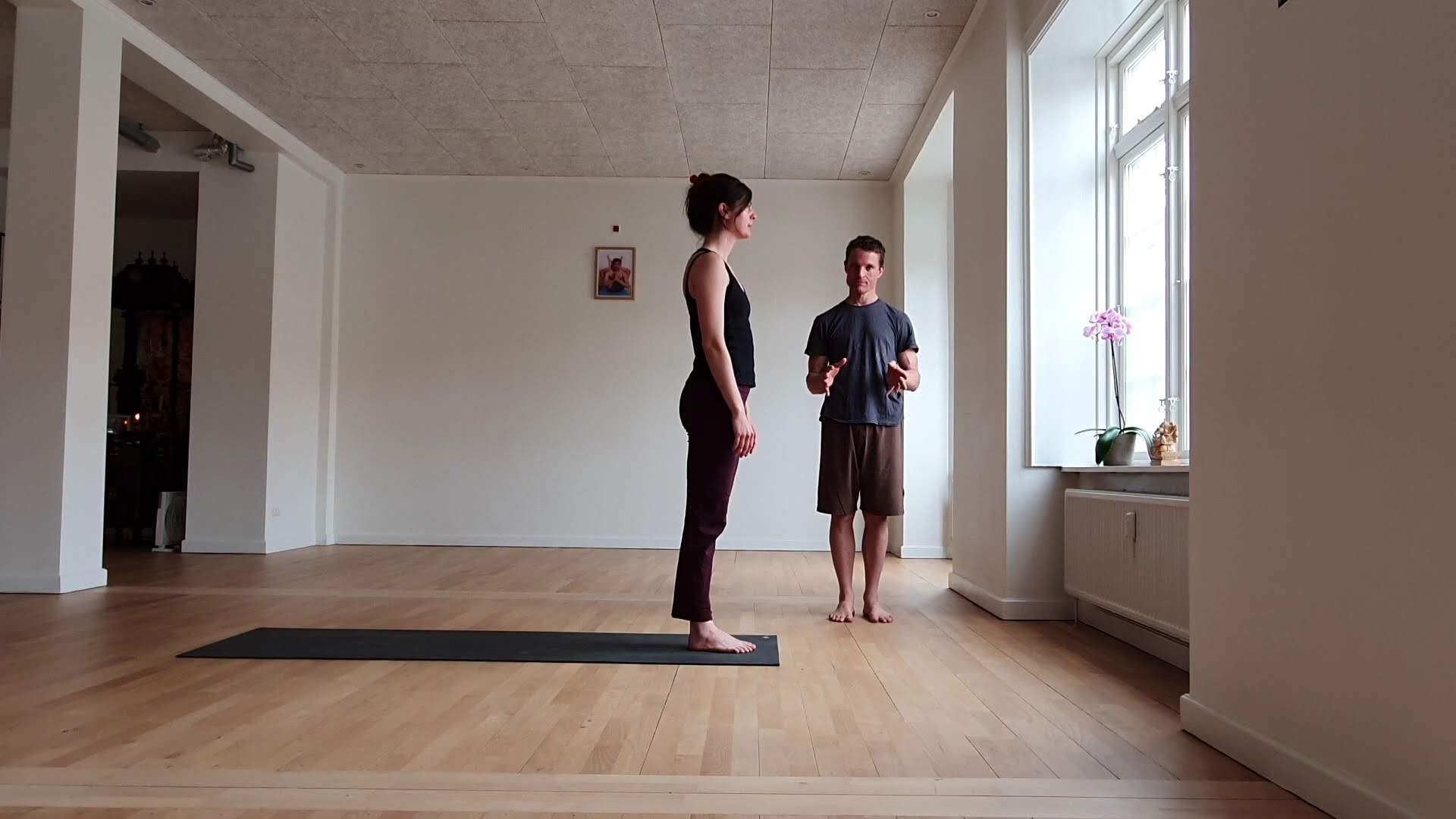
Eskil's teaching is not primarily about leading people through postures. A central aim is to help practitioners develop a practice they understand, experience and can increasingly carry themselves. Repetition and familiarity gradually reduce dependence on external instruction and create more space for attention to move inward toward breath, movement, concentration, awareness and the subtler dimensions of practice.
Anatomy, modifications, verbal instruction and physical guidance are therefore not ends in themselves. They are tools that can help the practitioner find greater stability, ease and understanding, while developing sensitivity to their own body and practice. Sometimes teaching means giving clear guidance; at other times it means giving the practitioner enough space to investigate and discover something for themselves.
The practice becomes familiar. Your attention becomes more refined.
“I love sharing the practice. I love its independence, clarity and structure, and the fact that anyone can do it, but you have to put in the effort. Ashtanga is an extraordinary practice that can give tremendous results, but to really discover what it has to offer requires discipline, dedication, humility, devotion and, above all, consistency.”
Before Astanga Yoga Studio
A professional background that still shapes how Eskil looks at the body.
Eskil completed an education in health and nutrition in 1995 and worked professionally in the field for many years, running a diet and nutrition guidance clinic and giving courses and lectures throughout Denmark.
He wrote hundreds of articles and columns about health, nutrition and training for publications including Workout & Fitness Magasinet, Månedsmagasinet IN and Femina, before stepping back from this work around 2010 to focus on Astanga Yoga Studio.
Movement and body mechanics
Two decades of martial arts training, still visible in how Eskil observes movement.
Eskil studied Wing Tsun martial arts for more than twenty years. His long-standing interest in body mechanics and movement complements his Ashtanga experience, and continues to influence how he observes movement and helps practitioners develop stability, coordination, strength and efficiency.
Before 1999
A path into contemplative practice that began almost a decade earlier.
Eskil's exploration of yoga and contemplative practice began around 1990 with a daily practice of Transcendental Meditation (TM). Over the following years this expanded into pranayama, japa, hatha yoga, Indian philosophy and other contemplative and spiritual traditions.
He has travelled regularly to India since 1995 for longer periods of study and practice , a journey that began several years before he discovered Ashtanga in 1999, and that continues to this day.
Gallery
Select any photograph to open the gallery and browse the complete series.






Join a Mysore class, or read about the AYF Assisting Academy, a long-form apprenticeship in teaching the Mysore method.