
Start with an inhale
Ashtanga Yoga practice starts with a very simple sequence of yoga poses performed in coordination with your breath. Each breath connects the different poses with each other.
New to yoga
You do not need to be flexible, strong or experienced. You learn the practice step by step, at your own pace, with personal guidance from the teacher.
Get startedAstanga Yoga is learned gradually. You begin with a short sequence and add new postures as your memory, strength and confidence grow.
In Mysore classes, everyone practises individually in the same calm room. The teacher guides each student personally, so the method can be adapted to different ages, bodies and levels of experience.
There is no need to keep up with anyone else. Your practice develops one breath and one movement at a time.
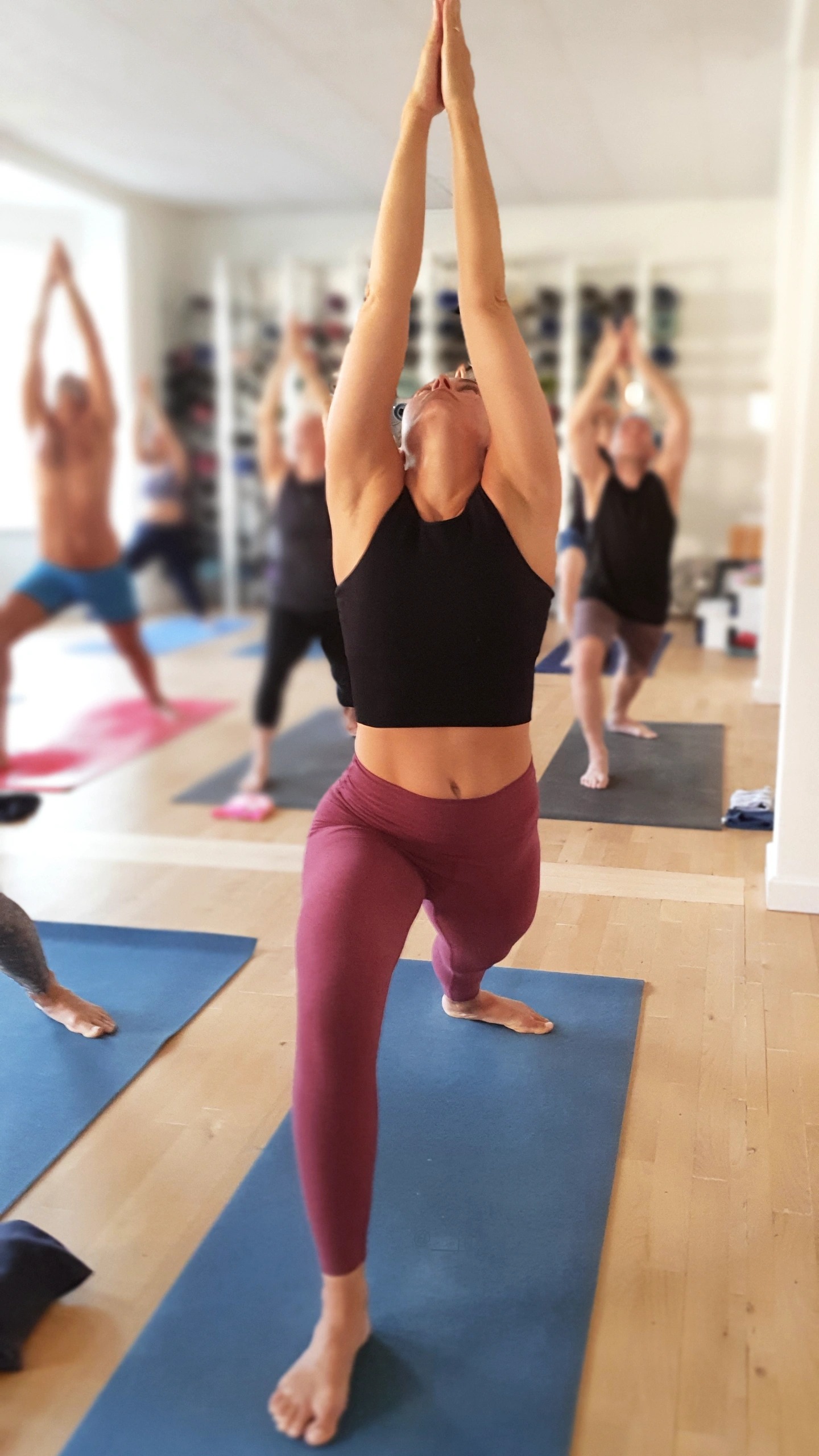
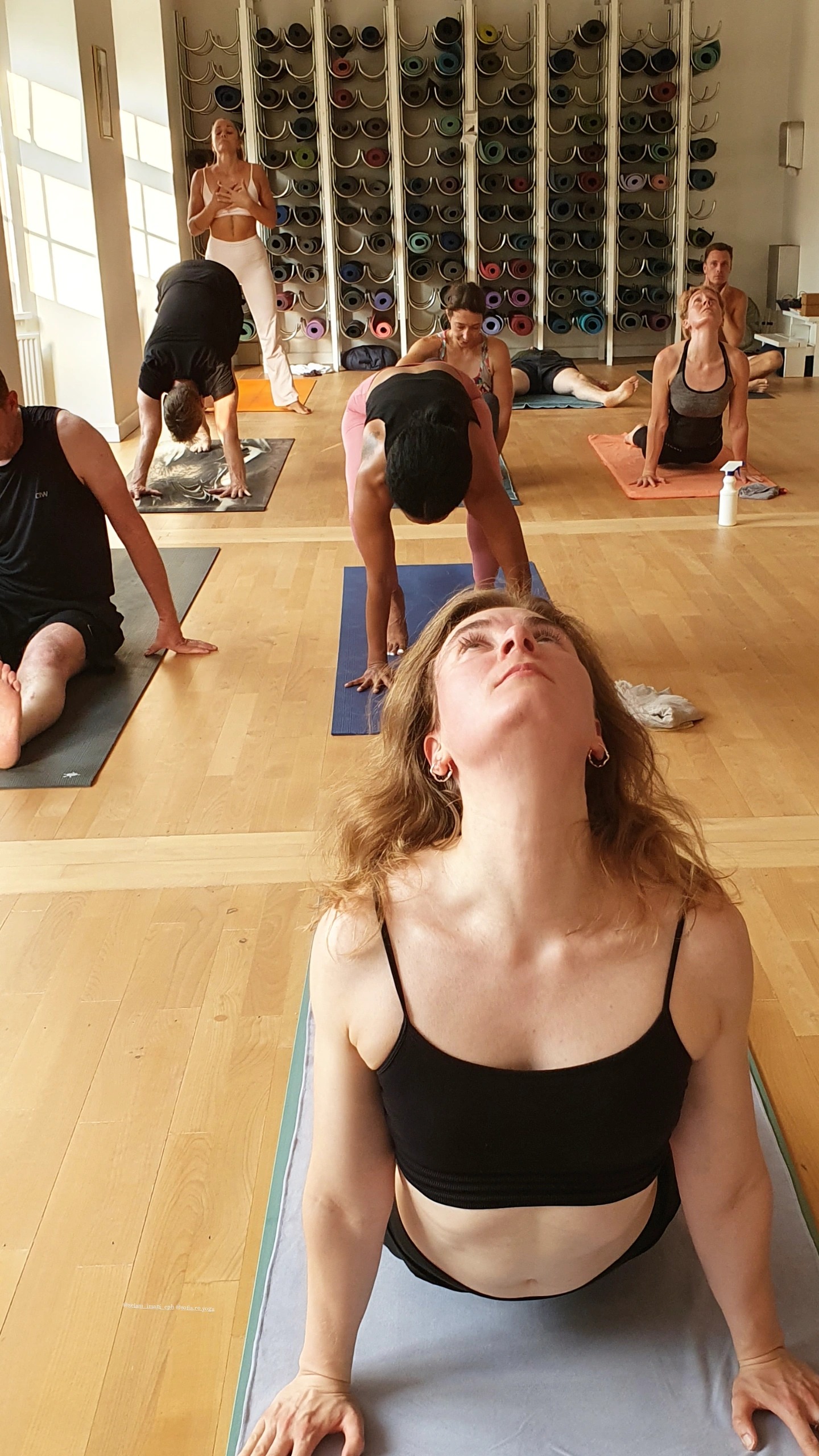
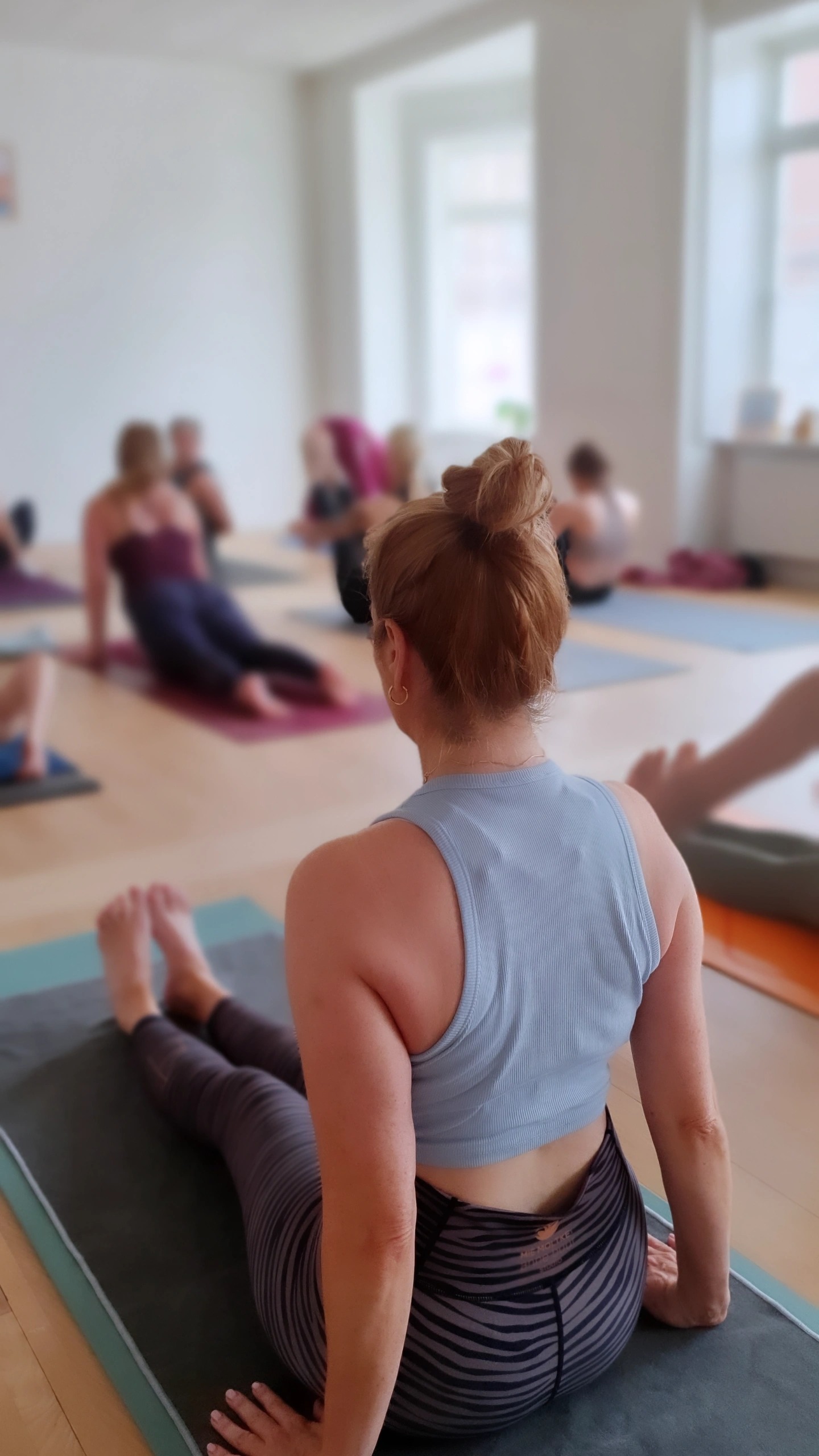
Ashtanga Yoga is a dynamic and evolving practice that meets you exactly where you are. Some people find it physically active at first, but over time the body becomes stronger, steadier and more adaptable. Poses and movements that once felt unfamiliar or challenging gradually become more natural, and many practitioners experience a growing sense of lightness, clarity and spaciousness. Ashtanga Yoga is accessible to all body types, ages and backgrounds , all you need is curiosity, a willingness to learn and a bit of commitment.
If you are new to Ashtanga Yoga, you can read our start guide to learn how to begin in a simple and supportive way.
At our school, we teach in the Mysore style . In Mysore classes , each student practices their individual routine at their own pace, while the teacher offers personal guidance, adjustments and instruction when needed. This approach allows the practice to grow naturally within the student, without unnecessary distraction. The calm and supportive atmosphere helps create a deeper, more personal connection to the method, making it ideal for both beginners and experienced practitioners. You can read more about the Mysore method here . Below you will find a short overview of the beginner learning steps, followed by helpful recommendations for your practice.
If you already have experience with Ashtanga Yoga and Mysore-style practice, you are very welcome to join the classes right away. Simply visit the membership page and sign up before you come to practice.
01
A simple method where you build your practice one thing at a time.
Ashtanga Yoga practice starts with a very simple sequence of yoga poses performed in coordination with your breath. Each breath connects the different poses with each other.
Then you repeat the sequence until you remember it. By slowly introducing poses and movements in this way, you work within your abilities and become calm, focused and stable in your practice.
When you remember the sequence, you learn more poses from the series. That way, you always work with something you can do, and something new you are learning.
02
On the first day, you are introduced to the deep, calm and present breathing and the body locks that are characteristic of Ashtanga yoga. You will then learn a series of simple movements, in and out of a few yoga poses. The small series is called Sun Salutation A. You repeat and practice it a few times. Finally, you do a few more seated yoga poses, after which you relax.
For the next few days, you will practice the sun salutation that you learned on the first day, with further guidance if necessary. When you can remember Sun Salutation A, you move on to learn the next poses to perform Sun Salutation B. Finally, you do the seated yoga positions, as the day before, as the end of the day's exercises, after which you relax.
Over the next few weeks, you will gradually learn new poses according to your ability and memory until you have learned a series you can perform without reminders or assistance. By gradually learning new poses, you get a solid foundation and learn to perform the yoga poses safely and stably. Your practice may therefore seem quite short in the beginning, around 30-40 minutes, but there will be a lot of repetition and most people think it is more than enough. See instructions for the poses here
In the following months, you come as much as possible, preferably 3-5 times a week, and practice your routine. The teacher always keeps an eye and instruct and assists when necessary. You will also gradually learn more poses. It thus takes a few months to settle into the Ashtanga Yoga practice and build a routine that is sustainable and can be performed safe and with some ease. This time tested "slow and steady" method gives you time to memorize the series and develop mental and physical stability in the poses, while at the same time gaining a personal understanding and experience with your yoga practice.
03